
.jpg)
%20(1).png)
Written by:
Pkwy Moving & Storage Team
Published:
September 1, 2026
Movers damaged something during your move? Here's how to document it, file a claim, and get reimbursed without wasting weeks on the wrong process.
If movers damaged or broke something during your move, you have a limited window to document it and file a claim, and the process depends on which liability option you picked when you booked. Most damage claims fail not because the damage wasn't real, but because the customer waited too long, signed off on the paperwork too fast, or filed under the wrong coverage type. Here's the process that actually gets a claim paid.
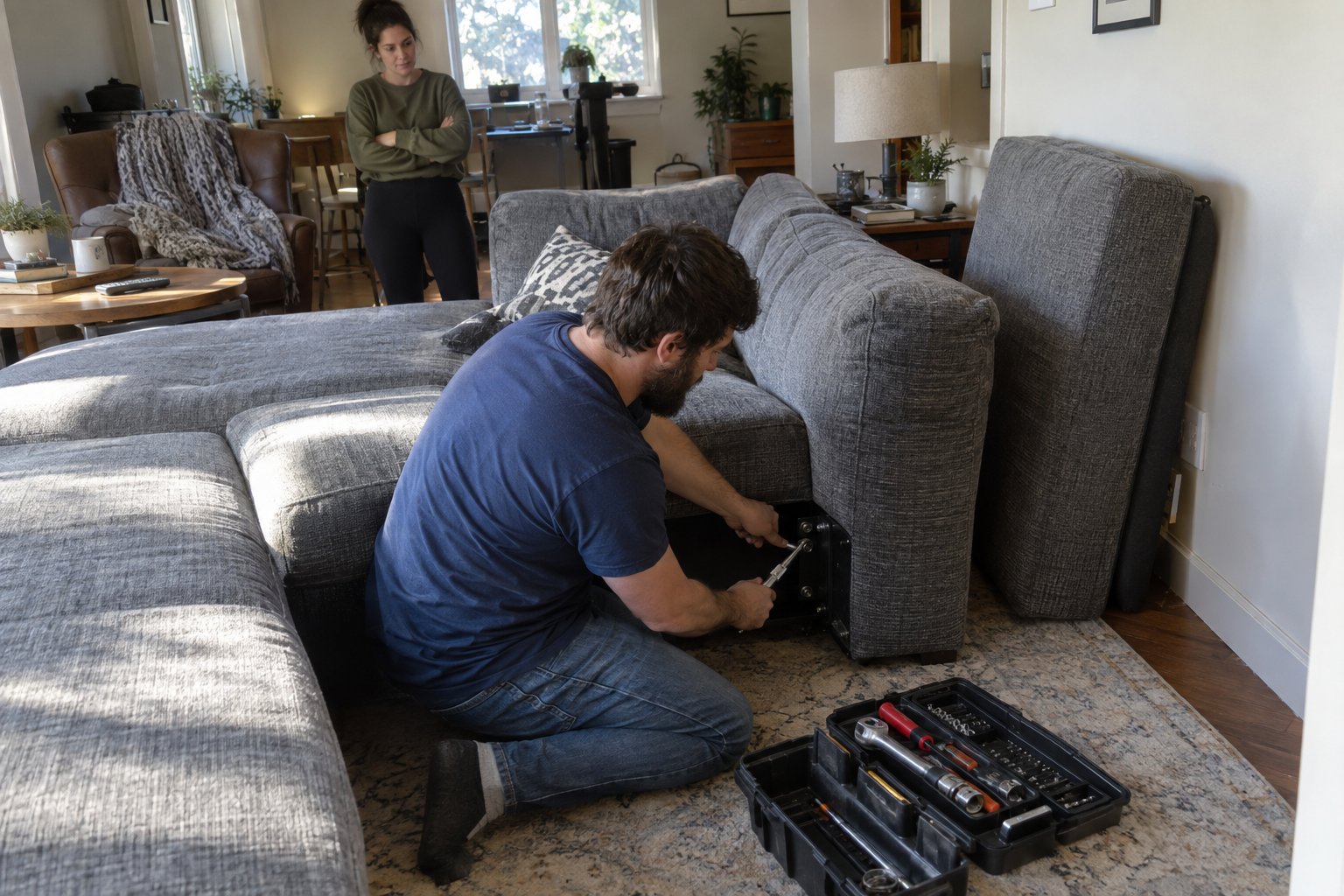
Stop unpacking that item, take photos from multiple angles before touching it further, and note the damage on the delivery inventory sheet before the crew leaves if at all possible. If you already signed off and the crew is gone, that's not fatal, but it makes your case weaker, so act fast.
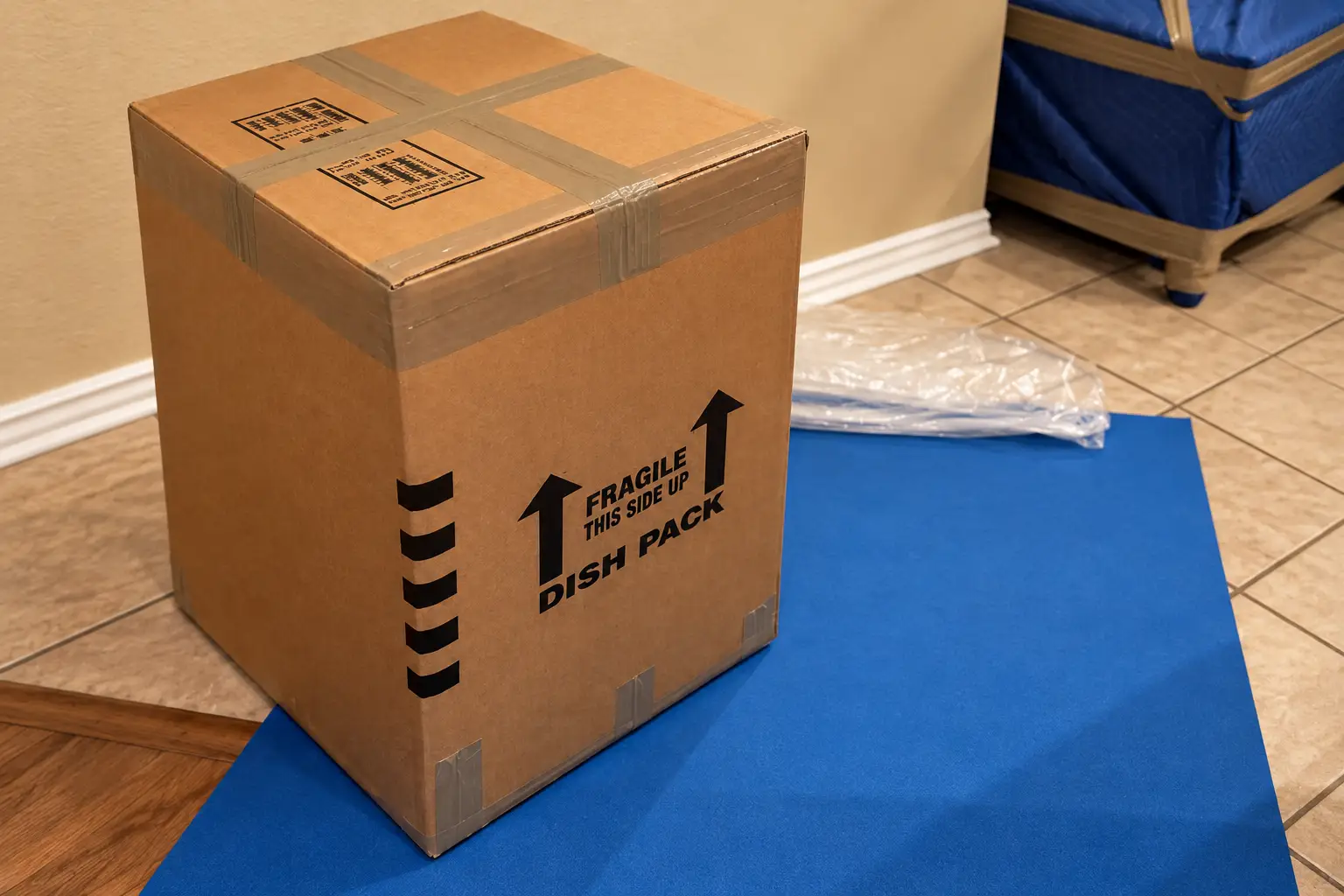
Photograph the item itself, the packaging it came in (if the movers packed it), and any visible damage to walls, floors, or doorways nearby. Keep the original box and packing materials until the claim is resolved; movers can ask to inspect them, and discarding evidence can void a claim.
Your liability coverage was chosen (or defaulted) when you booked, and it determines how much you can actually recover. Released value protection, the free default on most moves, pays out at 60 cents per pound regardless of the item's actual worth, which means a shattered 4-pound lamp gets you about $2.40. Full value protection, which usually costs more, requires the mover to repair the item, replace it, or pay its current market value.
Check your bill of lading or moving contract for which one you selected. If you're not sure, call the company and ask directly. This single detail changes what a realistic outcome looks like, so confirm it before you estimate what you're owed.
If nobody discussed valuation coverage with you before the move, federal regulations for interstate moves require the mover to have offered it in writing. Movers operating within a single state follow whatever your state's moving regulations require, which vary, so check with your state's consumer protection office if the mover never mentioned it.
Most movers require a written claim within nine months of delivery for interstate moves, though many companies set a shorter internal deadline, sometimes 30 to 90 days, so don't wait. Ask the company directly for their claim form and the exact deadline that applies to your move.
A strong claim includes: the delivery date, a description of the damaged item and its value, photos, and a copy of the original inventory sheet showing its condition at pickup. If you have a receipt or appraisal for the item, attach it. Vague claims ("several items damaged") get pushback; specific ones ("floor lamp, base cracked, purchased 2023") move faster.
Once submitted, the mover typically has a set period (commonly 30 days to acknowledge and 120 days to resolve) to respond. If they miss those windows or deny a claim you believe is valid, you can escalate.
A denied claim isn't the end of the road. You can request a written explanation for the denial, and if it doesn't hold up, you have a few paths forward depending on the size of the loss and how the move was regulated.
Keep every email and letter. A paper trail showing you followed the process correctly strengthens your position at every stage, including arbitration or court.
Most preventable damage disputes trace back to two things: unclear condition records at pickup, and vague or missing coverage details. Fixing both before moving day cuts down your risk significantly, and it costs you nothing but a few extra minutes.
Walk through your inventory list with the crew lead at pickup and again at delivery, and don't sign either sheet until you've actually checked the boxes and furniture, not just glanced at them. Ask upfront which valuation coverage applies and get it in writing. If an item is irreplaceable or high-value (art, instruments, electronics), ask whether it needs to be declared separately, since some policies cap payouts on high-value items unless they're listed by name.
If you're weighing full-service moving against a more hands-on approach, ask any company you're considering about their claims history and average resolution time before you book, not after something breaks. A mover that explains its valuation options clearly upfront is usually the same mover that handles a claim fairly later. If you've already had a rough experience with damaged or lost items, it's also worth reviewing how the original moving company quote described liability coverage, since that paperwork is often where the confusion started.
For most household moves, legal representation isn't worth the cost unless the damaged item's value is high (several thousand dollars or more) or the dispute involves a larger pattern of loss, like an entire shipment damaged in transit. Small claims court exists specifically so you don't need an attorney for routine disputes.
If you're dealing with a total loss, a mover that's gone unresponsive for months, or suspected bad-faith practices, a consultation with a consumer protection attorney or your state attorney general's office can clarify whether legal action makes sense before you spend more time on the claims process alone. If you're planning a future move and want to avoid ending up here again, request a moving quote from a company that puts its valuation coverage and claims process in writing from the start.
For interstate moves, federal rules give you up to nine months from the delivery date, but many moving companies set a shorter internal deadline in their own contract, sometimes as little as 30 days. Check your bill of lading or ask the company directly, and file as soon as you notice the damage rather than waiting.
Only if you selected full value protection when booking. The default option on most moves, released value protection, pays a small fixed amount per pound regardless of the item's actual worth, so a valuable item under that coverage may only get you a few dollars.
You can and should note any visible damage directly on the inventory sheet before signing, rather than refusing to sign altogether. Signing with a written note preserves your claim, while refusing to sign at all can create unnecessary friction with the crew and delay delivery of your remaining items.
If a mover misses the acknowledgment or resolution windows in their own claims process, you can escalate through arbitration (if their contract includes it), small claims court, or a complaint with the Federal Motor Carrier Safety Administration for interstate moves or your state's consumer protection office for in-state moves.
Sometimes, but coverage varies by policy and many exclude items in transit or being handled by a third party. Check your policy's specifics or call your insurer before assuming it will cover a moving-related claim, since relying on the mover's own valuation coverage is usually the more direct path.
Moving in Celina or the DFW area? PKWY Moving & Storage handles local, residential, commercial, and long-distance moves. Get your free quote today.




.webp)
.webp)