
.jpg)
.webp)
Written by:
Pkwy Moving & Storage Team
Published:
September 2, 2026
Learn how to pack a moving truck so heavy items stay put, boxes don't crush, and nothing shifts in transit. A room-by-room loading order that works.
A moving truck holds its load best when the heaviest, flattest items go in first against the cab wall, weight gets distributed evenly side to side, and every gap gets filled so nothing has room to shift. Most damage that happens in transit isn't from rough roads, it's from a truck that was loaded like a closet instead of a puzzle. Here's the loading order and technique that keeps a truck's contents where you put them.
Load heavy furniture and appliances first, then large flat items like mattresses and mirrors, then boxes from heaviest to lightest, and finish with soft, crushable items on top. The goal is a load that's dense and stable at the bottom and progressively lighter as it goes up.
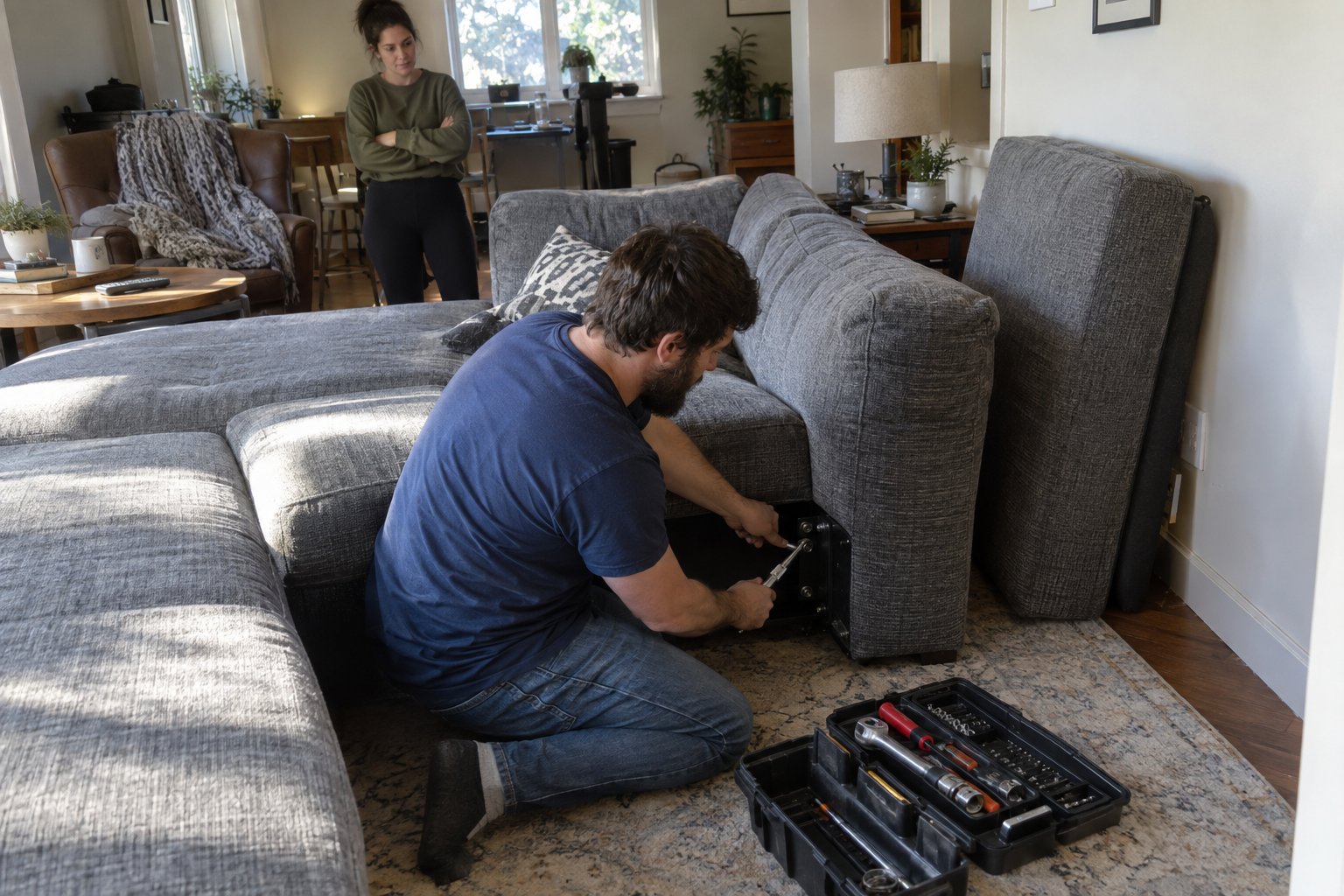
Start with dressers, bookshelves, and major appliances positioned upright against the front wall of the truck, closest to the cab. This puts the heaviest weight over the front axle, which keeps the truck easier to control and prevents the load from sliding forward under braking. Couches and large upholstered furniture go in next, usually on their end to save floor space, followed by mattresses and box springs standing on their long edge along a side wall.
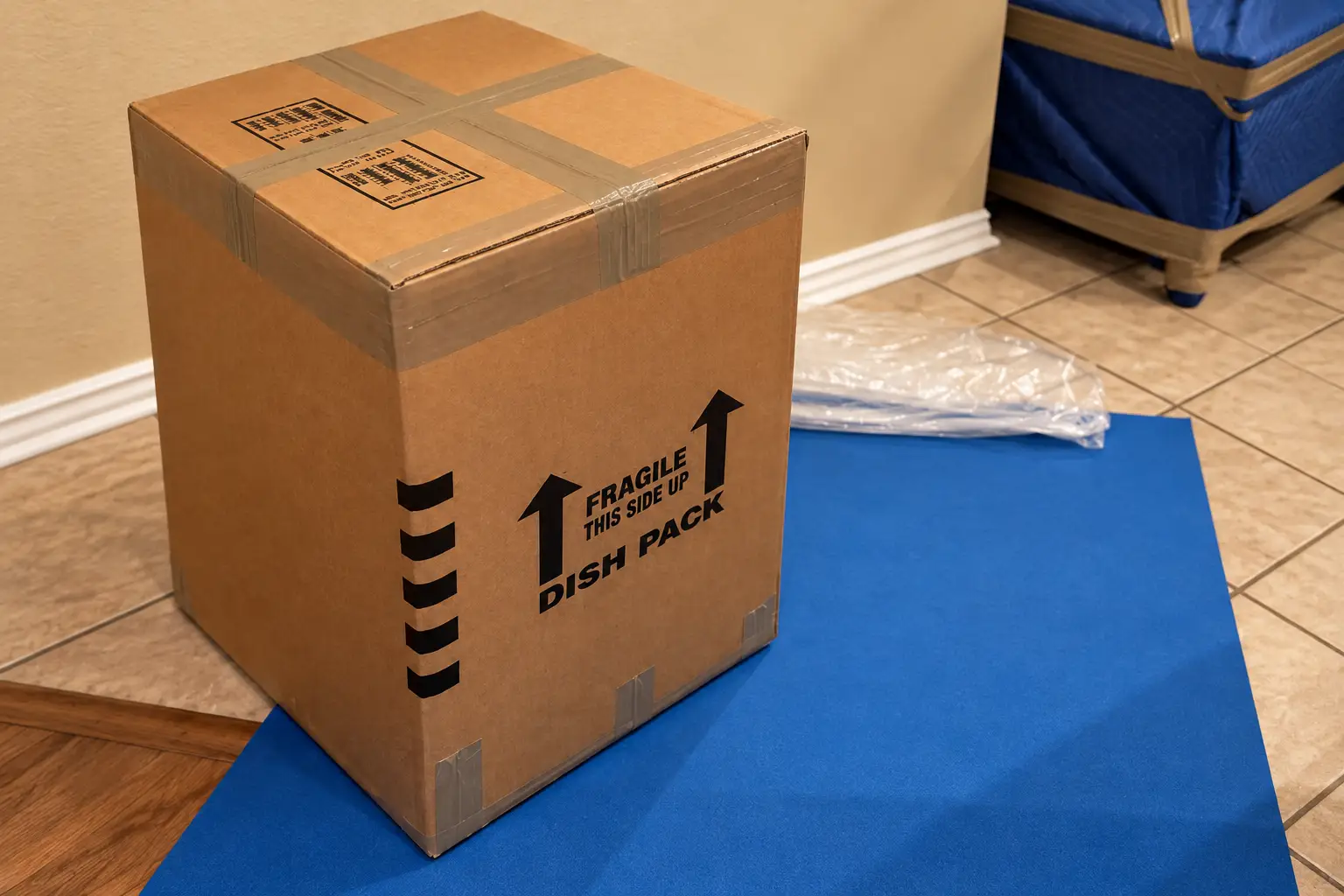
Boxes come after the furniture is set. Load heavier boxes (books, kitchenware) on the bottom and lighter ones (linens, lampshades) on top, stacking by size so the top of each column stays level. Save anything fragile or oddly shaped for last so it sits on top of the load, not underneath something that could crush it. If you're moving specialty items like a piano, a large safe, or fine art, those generally shouldn't go through this general loading process at all; our specialty moving services cover the equipment and techniques those pieces actually require.
Weight should be spread evenly across the width of the truck and weighted slightly toward the front, never piled onto one side or left stacked only at the back. An unbalanced load makes the truck harder to steer and can cause items to tip or slide during turns.
Split heavy pieces between the left and right walls instead of loading all the furniture on one side and all the boxes on the other. If you're using a rental truck without a professional crew, check the manufacturer's guidance on axle weight limits, since overloading the rear of the truck is a common reason for blown tires or trailer sway on longer moves.
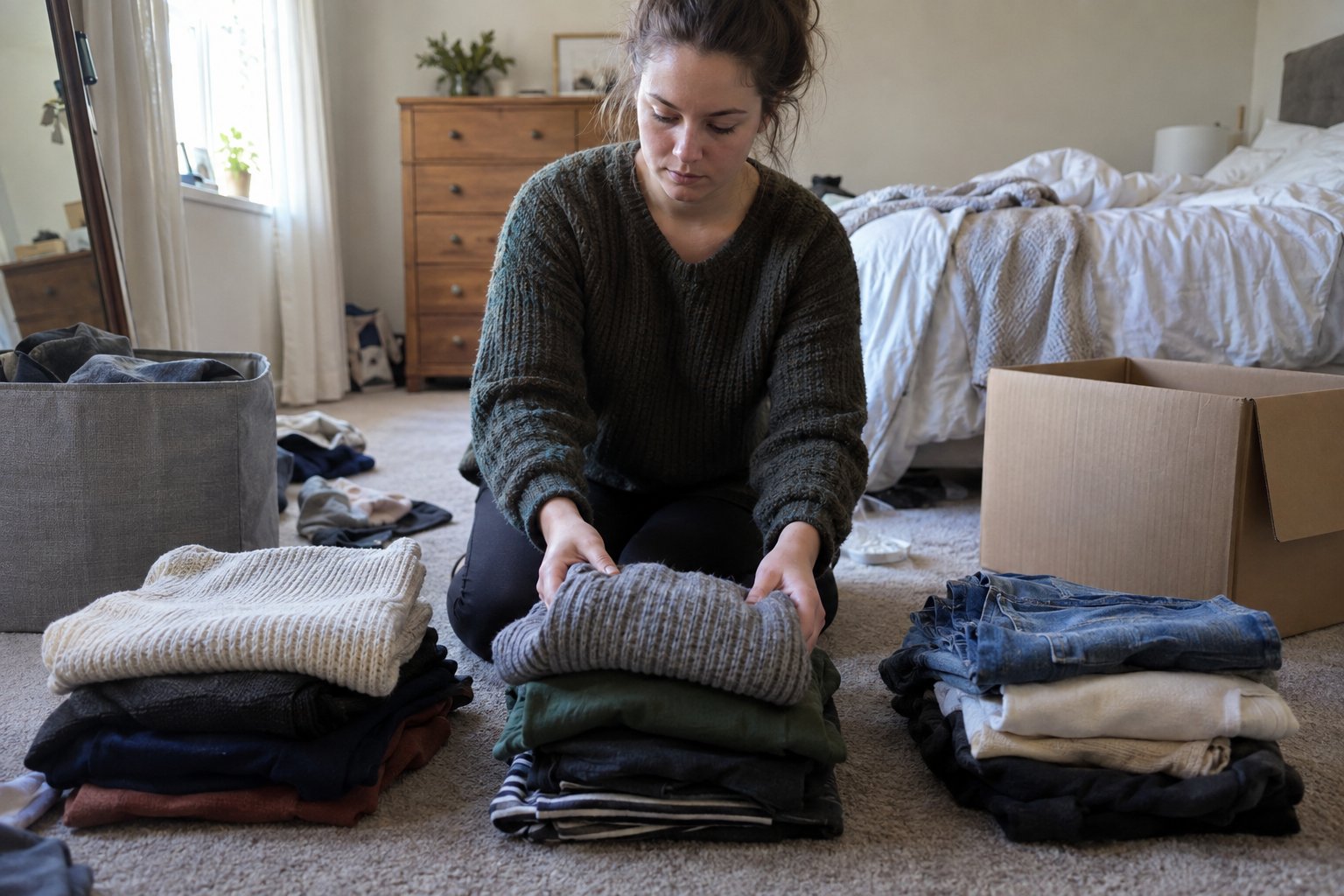
Every open space in the load is room for something to move once the truck starts driving. Fill gaps between furniture pieces with soft items like pillows, folded blankets, and bagged clothing so the load becomes one solid mass rather than a collection of loose pieces that can slide independently.
Furniture should be strapped to the truck's built-in tie-down rails or D-rings, and box stacks should be wedged tight enough that they can't tip when the truck brakes or turns. Straps do the real work here, not just stacking things close together.
Use ratchet straps or rope to anchor large furniture pieces to the wall rails every few feet as you load, rather than waiting until the truck is full. It's much harder to get a strap behind a dresser once three more pieces are stacked in front of it. For box columns, use the truck's side walls and other furniture as bracing, and top off any remaining gap with a folded moving blanket so the stack has nowhere to lean.
Moving blankets between wood furniture pieces prevent scratching where they touch, and a blanket over any exposed glass or mirror surfaces reduces the chance of cracks from vibration during the drive. If an item does get damaged in transit despite your best efforts, it's worth knowing your options in advance; we've laid out the steps in our guide on what to do if movers damage your belongings.
Anything you'll need immediately on arrival, anything irreplaceable, and anything flammable or pressurized shouldn't be loaded into the main truck compartment. These items either need to travel with you or shouldn't be on the truck at all.
Keep important documents, medications, jewelry, and a box of first-day essentials (chargers, toiletries, basic tools) in your own vehicle instead of the truck, since trucks are sometimes delayed or, in rare cases, not accessible right when you arrive. Propane tanks, aerosol cans, paint, and other flammable or pressurized items are also typically barred by moving companies and truck rental agreements, both for safety and because extreme heat inside a closed truck can make them unstable.
Longer hauls mean more time for a poorly loaded truck to shift, so the fill-every-gap principle matters even more. If your move crosses state lines or covers several hundred miles, plan on stopping partway to check that straps are still tight and nothing has settled or leaned, especially after the first hour of highway driving when a load tends to compress. Our long-distance moving services include crews trained specifically for loads that need to survive hundreds of miles intact, which is worth considering if the stakes on a bad load are higher than a local move.
DIY loading works for smaller, local moves if you have help lifting and enough moving blankets and straps on hand. For larger households, heavy furniture, or anything long-distance, a trained crew loads faster, uses truck space more efficiently, and carries insurance if something does go wrong in transit.
If you're deciding between the two, it often comes down to how much your time and back are worth versus the cost of labor. A crew that loads trucks daily can typically fit more into the same size truck than a first-time mover, which sometimes means the difference between one trip and two. If you'd rather get a sense of what professional loading and moving help would cost before deciding, you can get a moving quote in a few minutes.
None, really. A tightly packed truck with no gaps is safer than a partially empty one, since empty space is what allows items to shift or fall during transit. Fill gaps with soft items like pillows and blankets rather than leaving open air pockets.
It's better not to. Mattresses should stand on their long edge against a wall rather than lie flat under boxes, which can bend the frame or damage the padding. If a mattress must lie flat, keep the load on top light and evenly distributed.
Wedge furniture tightly against other pieces and the truck walls, and use rope threaded through handles or legs and anchored to any available frame point. It's a weaker setup than proper D-rings, so drive more cautiously and check the load at stops.
Most 3-bedroom households need a 20 to 26 foot truck, depending on furniture volume and whether you're also moving garage or basement items. It's worth overestimating slightly, since a truck that's too small means a second trip.
Heavy items belong on the bottom and toward the front of the truck, not spread evenly by height. Keeping weight low and forward improves stability and prevents lighter boxes above from being crushed.
Moving in Celina or the DFW area? PKWY Moving & Storage handles local, residential, commercial, and long-distance moves. Get your free quote today.



%20(1).png)
.webp)