
Written by:
Pkwy Moving & Storage Team
Published:
October 7, 2026
Learn how to prevent furniture damage while moving with proven wrapping, disassembly, and loading techniques that stop dents, scratches, and cracks before they start.
Preventing furniture damage while moving comes down to three things: taking weight off the weak points before the truck ever gets loaded, wrapping surfaces so they can't scrape against each other, and controlling how pieces sit in transit so nothing shifts. Most dents, scratches, and cracked legs don't happen because movers were careless, they happen because a piece was moved in a way its construction was never meant to handle. Here's how to stop that before it starts.
Furniture gets damaged most often from three causes: carrying it in the wrong orientation, letting unprotected surfaces touch each other, and leaving it loose enough to shift in transit. A dresser carried on its back instead of upright, for example, puts stress on joints that were never designed to bear that kind of load.
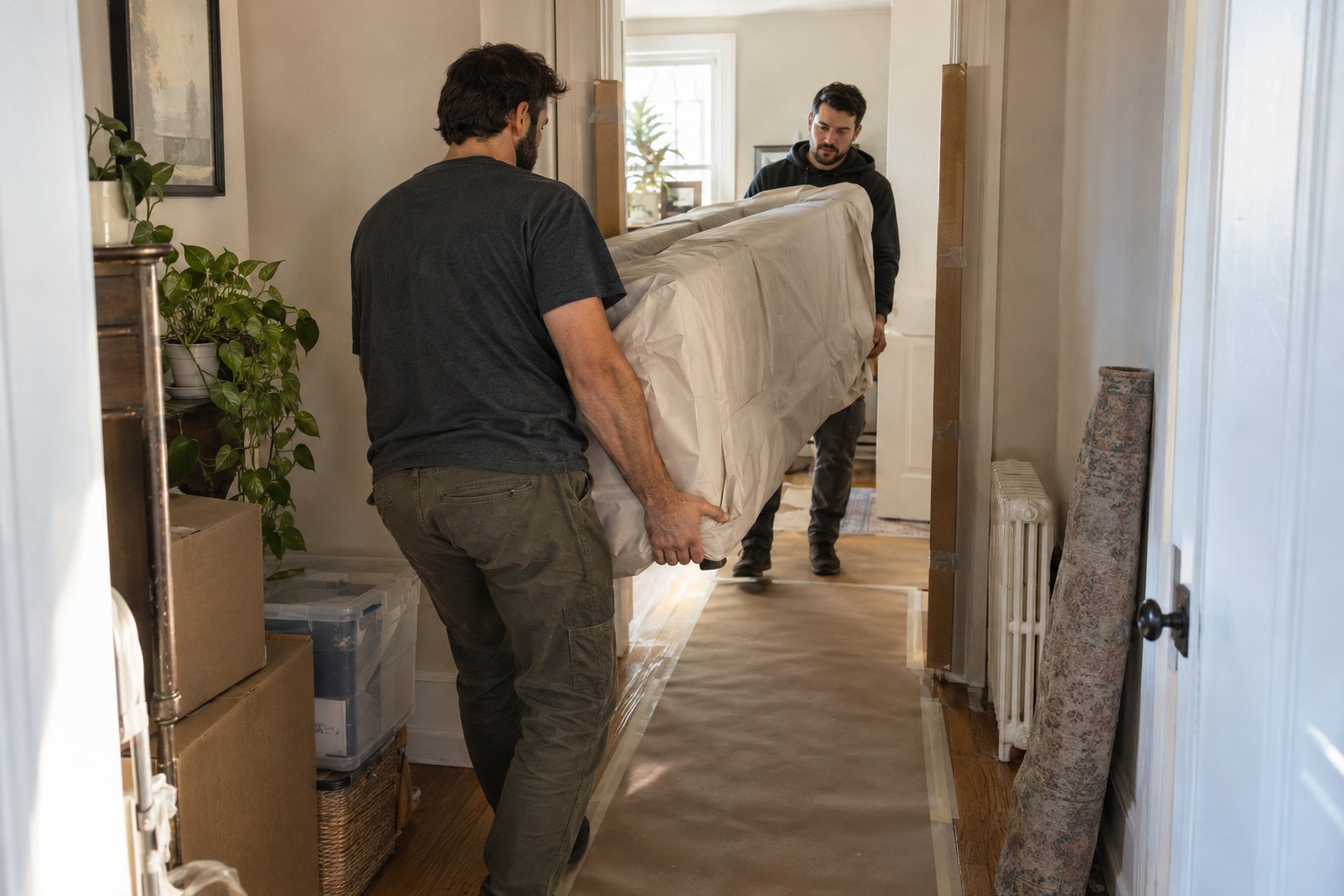
Doorframes, stair turns, and tight hallways account for a huge share of avoidable scrapes too. A couch or table corner that clips a wall or door jamb usually does it because nobody measured the path first, not because the piece was mishandled once it was moving smoothly. Knowing the failure points ahead of time is most of the battle.
Before any wrapping happens, walk the exit path from each room to the truck and note every tight turn, low doorway, or narrow stairwell. Then decide, piece by piece, what needs to be broken down rather than moved whole.
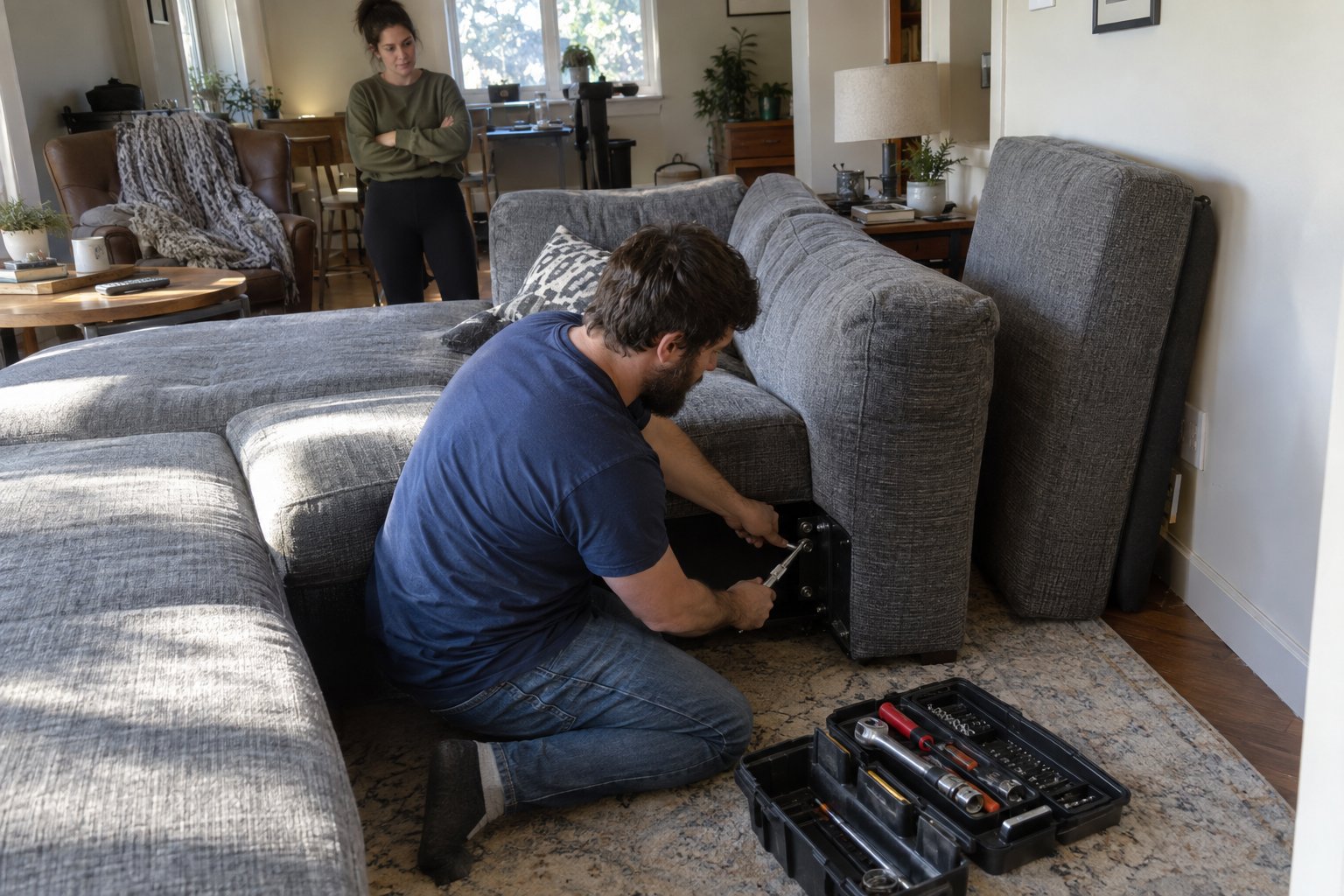
Remove anything that sticks out or detaches easily: table leaves, bed rails, couch legs, shelving, glass inserts, and mirrors off dressers. These are the pieces most likely to snap off or shatter if left attached, and they're usually simple to take off with a screwdriver and a bag for the hardware. Label which bag of screws belongs to which piece so reassembly doesn't turn into a guessing game later.
Measure the widest point of the furniture piece and the narrowest point of the path it needs to travel. If a couch is wider than a doorway at its deepest cushion point, decide now whether it needs to go through on its side, have legs removed, or come apart at the frame. Deciding this on moving day, mid-carry, is how walls and furniture both get dinged.
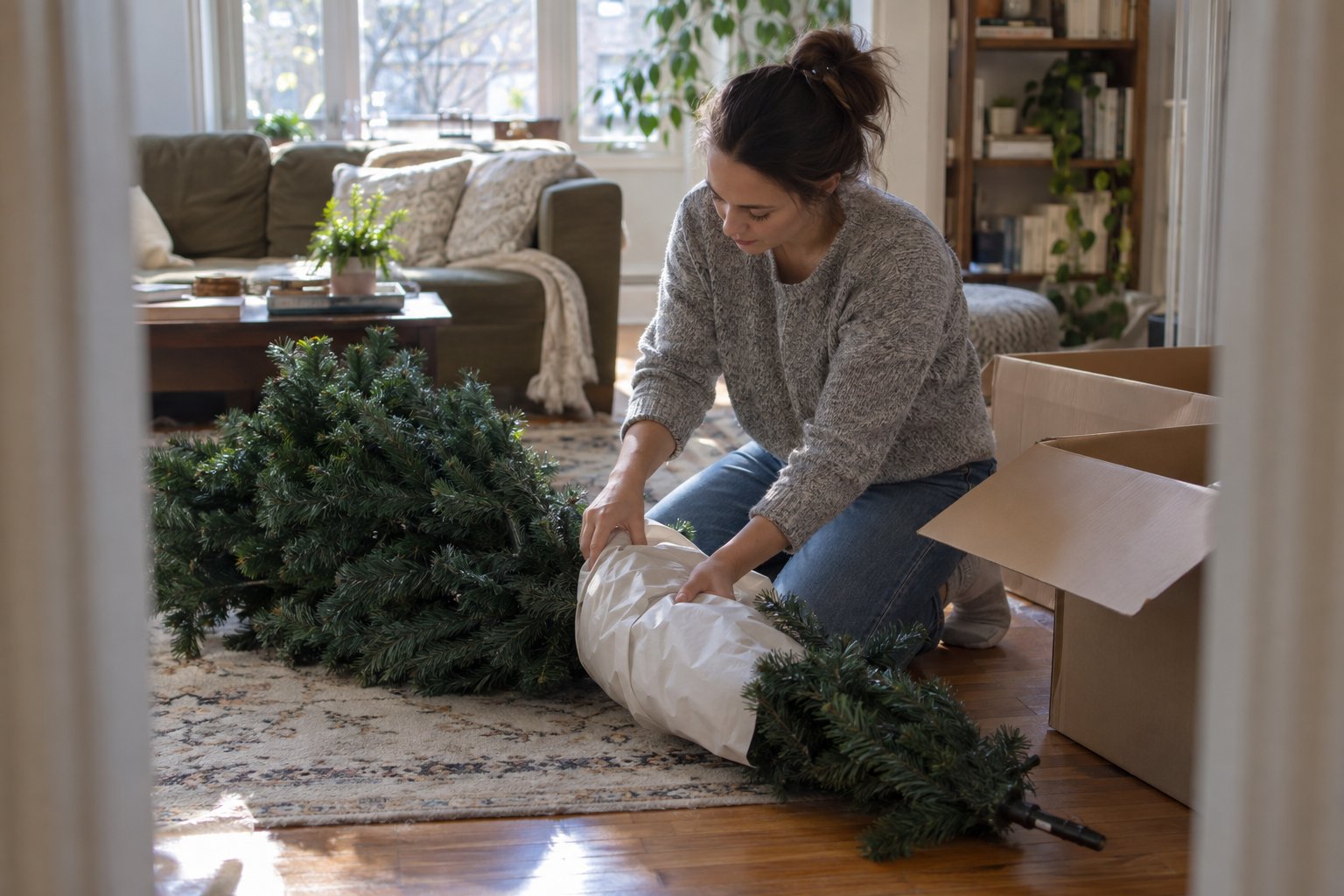
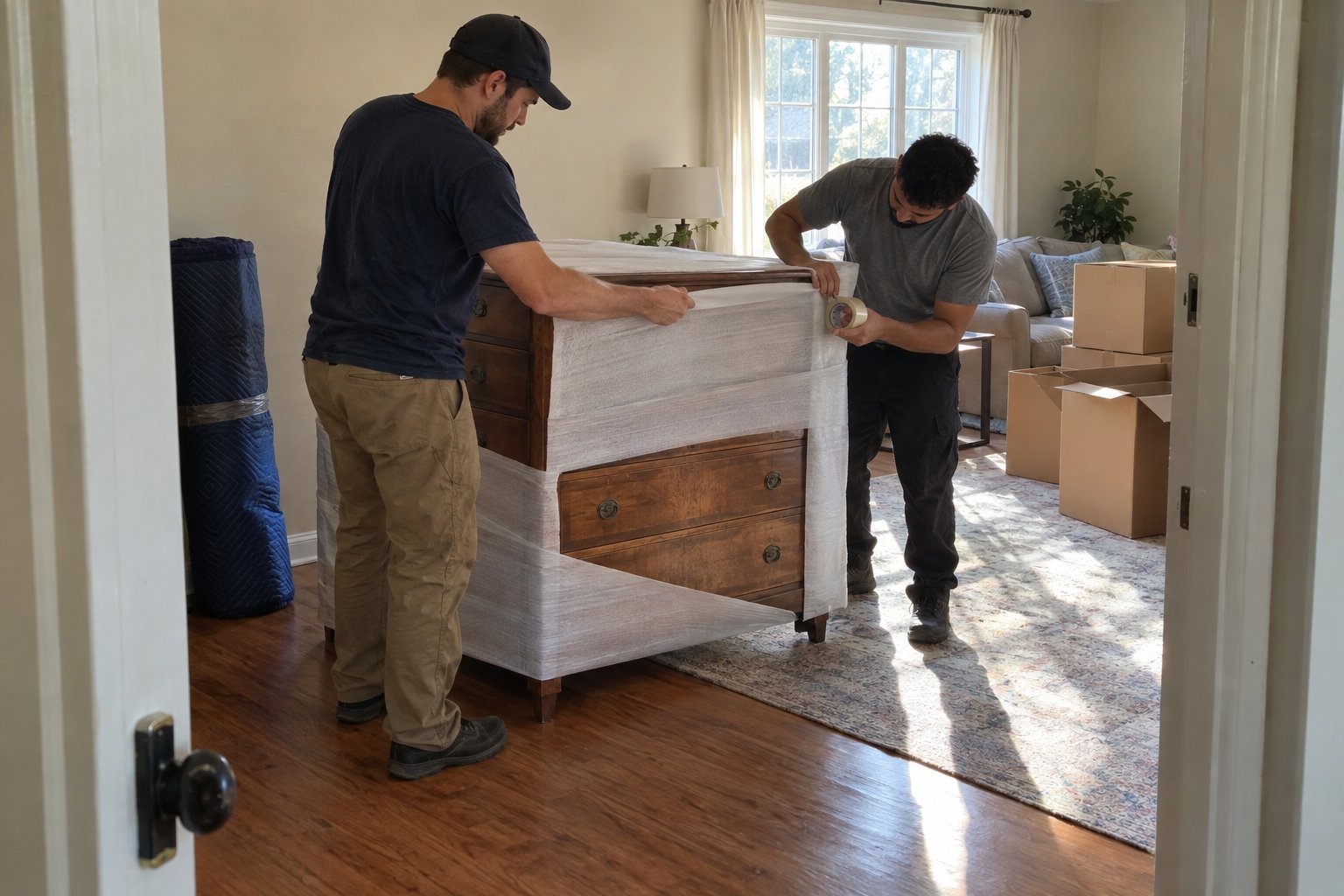
Wrap furniture in layers: a soft layer against the surface (moving blankets or padding), then a layer that holds the padding in place (stretch wrap or tape), applied so tape never touches the furniture's finish directly. Wood, leather, and painted surfaces can all pull finish off when tape is removed, so wrap stretch film around the blanket instead of taping directly to the piece.
Different materials need different treatment. Wood furniture benefits from corner protectors on top of blankets, since corners take the brunt of bumps against walls and other items. Upholstered pieces do better with plastic covers underneath the blankets to guard against dirt and moisture, not just impact. Glass tabletops and mirrors should be wrapped flat, never on edge, with cardboard on both faces and clear "fragile, this side up" marking.
Metal-frame furniture, like patio sets or some bed frames, holds up fine without heavy padding structurally, but still needs wrapping to prevent scratches against other pieces during loading.
Furniture legs, especially on tables, chairs, and sofas, are usually the first thing to crack because they carry concentrated weight on a small surface. Wrap each leg individually where possible, and never stack other items directly on a piece resting on its legs during transit.
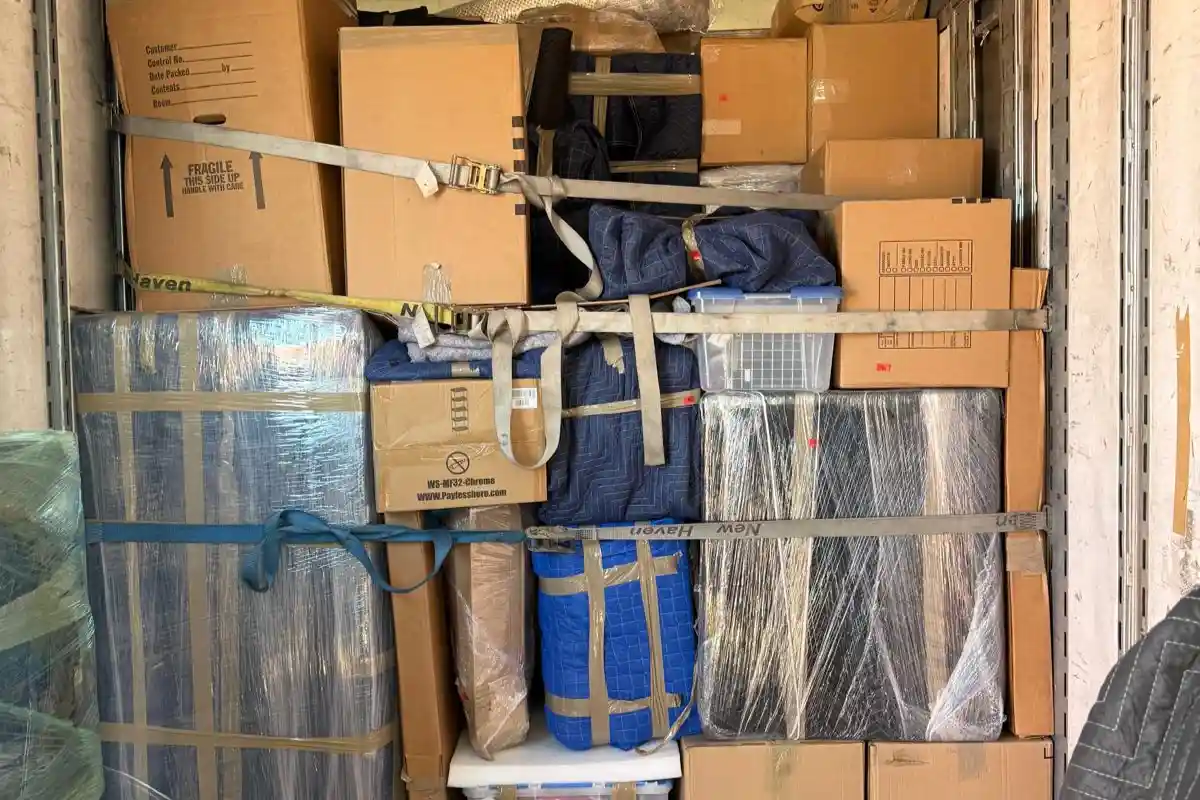
Furniture needs to be loaded tightly against other pieces or truck walls, with no open gaps where it can slide during braking or turns. Heavier, sturdier furniture should anchor the load against the cab wall, while anything fragile or oddly shaped gets positioned where it's boxed in by soft padding rather than hard edges.
Straps across furniture and tie-down points in the truck matter more than people expect. A piece that's wrapped perfectly but left loose can still slide into something else and absorb damage it was otherwise protected from. If you're renting your own truck, our guide on how to pack a moving truck so nothing shifts or breaks covers loading order and weight distribution in more depth.
Avoid stacking anything heavy on top of furniture with a finished top surface, even briefly. A box set down "just for a second" on a dresser is a common way finishes get scratched.
Professional packers are worth it when you have furniture that's expensive, antique, or structurally complicated, since they carry materials and techniques built around exactly this kind of damage prevention. A crew that wraps furniture daily will catch weak points a homeowner might miss, like a loose joint that looks fine until it's lifted.
For pieces that are unusually fragile, oversized, or irreplaceable, built crating often protects better than blankets and wrap alone, especially for anything going into long-term storage or a long-distance move. Our custom crating service is built for exactly those cases. For everything else, professional packing services can handle the wrapping and loading so the risk isn't resting on a DIY wrap job done under time pressure.
If you're weighing DIY against hiring it out, request a written quote through our get a quote page so you can compare the cost against the replacement value of what you're moving.
Long-distance moves carry more risk than local ones simply because the furniture spends more time in transit, goes through more loading and unloading, and often sits in a truck overnight or longer. That extra handling is exactly where corners get bumped and straps loosen.
If your move is crossing state lines, it's worth reading about how long-distance moving is handled differently, including how loads get secured for multi-day transit and what protections are typically built into that kind of job.
Even with careful wrapping and loading, damage can still happen, and the right response is to document it immediately rather than wait. Photograph the piece from multiple angles before moving it and again after, so you have before-and-after proof if a claim becomes necessary.
If damage does occur during a professional move, our guide on what to do if your moving company damages your belongings walks through the claims process step by step, including the coverage options that affect how much gets reimbursed.
Moving blankets are the standard first layer because they cushion against impact without trapping moisture the way plastic alone can. Wrap stretch film around the blanket to hold it in place rather than taping directly to the furniture, since tape can pull off finish or paint when removed.
Yes, if it clears your doorways and hallways at its widest point, but removing the legs lowers the center of gravity and often makes tight turns much easier to manage. It also reduces the chance of a leg snapping under uneven weight during a carry.
Extreme heat and cold can affect wood glue joints and veneer over time, so avoid leaving wood furniture in a hot or freezing truck for extended periods when possible. Wrapping alone won't prevent temperature-related stress, only shorter transit and storage times will.
Foam corner guards placed under the moving blankets add a firm buffer at the points most likely to clip a wall or doorframe. Combine them with careful measuring of the path beforehand so the piece is maneuvered deliberately rather than squeezed through at an angle.
Moving blankets handle impact and general scuffing better for large furniture surfaces, while bubble wrap is more suited to glass, mirrors, and smaller fragile components. Many movers use both together, blankets for the bulk of the piece and bubble wrap for any glass or delicate inserts.
Moving in Celina or the DFW area? PKWY Moving & Storage handles local, residential, commercial, and long-distance moves. Get your free quote today.