

Written by:
Pkwy Moving & Storage Team
Published:
November 18, 2026
Learn how to transport a keyboard piano for a move: the right case, padding, loading position, and climate steps to keep keys and electronics intact.
Transporting a keyboard piano safely comes down to three things: a rigid outer case or box, padding that keeps the keybed from flexing, and a loading position that keeps weight off the keys. Keyboards look sturdy because of their size, but the keybed underneath the plastic shell is a long, thin mechanism that cracks or sticks when it's pressed, dropped on end, or left in a hot truck. Here's how to pack and load one so it arrives working the same way it did before the move.
The safest way to pack a keyboard piano is in its original flight case or gig bag first, then inside a slightly larger cardboard box with rigid padding on all sides, never loose in a blanket alone. The goal is to stop two kinds of movement: flexing along the length of the keybed, and impact against the end panels where the circuit board usually sits.
A keyboard should travel flat, lying on its back with the keys facing up, or upright on its end panels, never resting on the keys themselves or stood on its front edge. Either flat or upright works as long as the weight is on a solid structural panel instead of the thin plastic keybed.
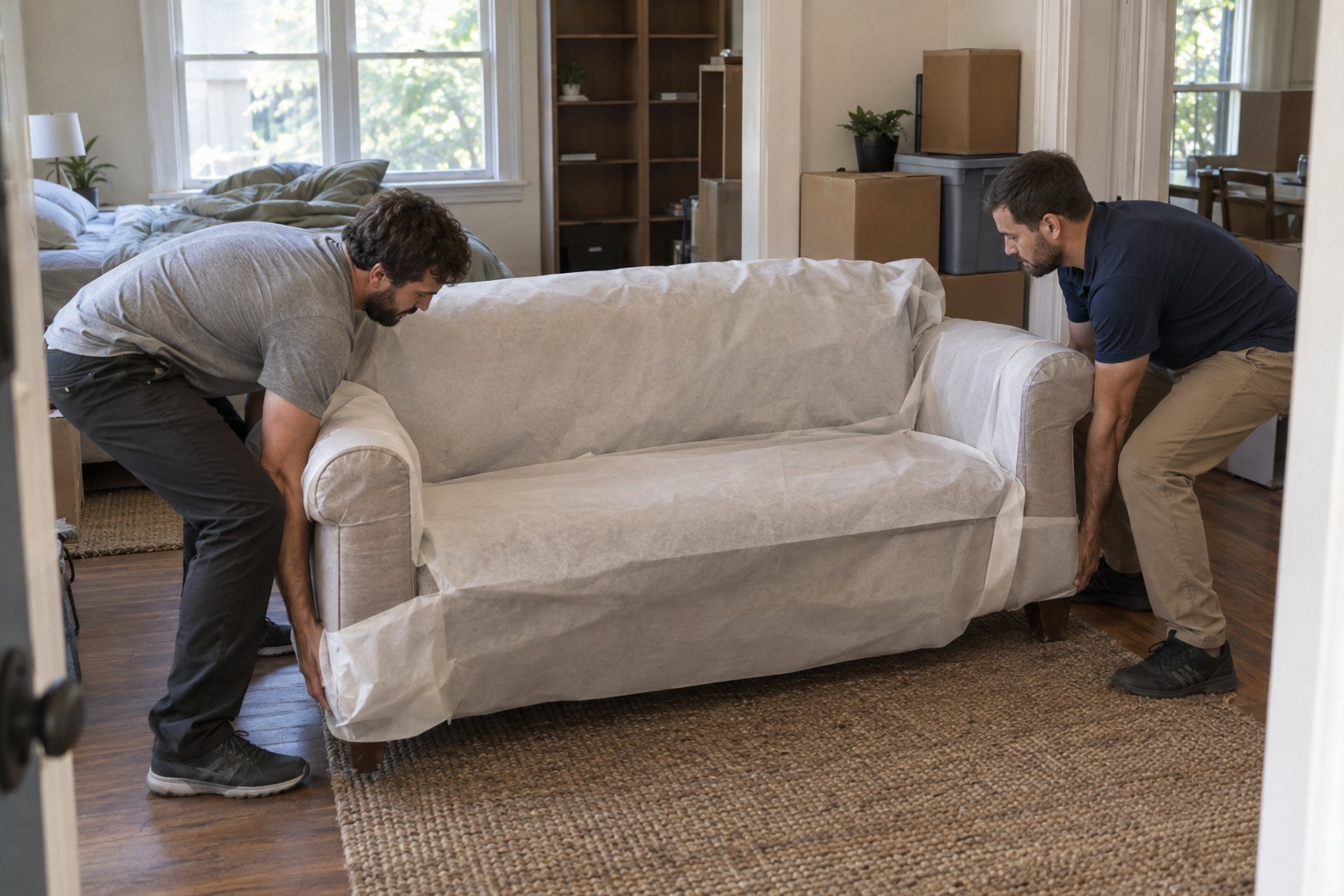
If you're loading it into a moving truck alongside furniture, keep it off the floor where other boxes can be stacked on top. A rule of thumb: treat a keyboard box like you would a mirror or a framed piece of art, something that goes in last and comes out first, wedged so it can't shift or tip during the drive.
Yes. Heat and cold both affect the plastic keybed, the internal circuit board, and any built-in speakers, so a keyboard shouldn't sit in a hot or freezing vehicle for an extended stretch, especially on a long-distance trip that spans more than a day. Extreme heat can warp plastic components and affect battery-powered units, while a cold keyboard brought straight into a warm house risks condensation forming on the internal boards.
If your move is local and the keyboard will be off the truck within a few hours, this matters less. For a longer haul, keep the keyboard with you in a climate-controlled vehicle if that's practical. Whichever way you travel, let the keyboard sit at room temperature for a while before powering it on at the new place.
Packing a keyboard yourself works fine if you still have its original case and a short, local move ahead of you. A longer trip, a keyboard without its case, or a model with a weighted, hammer-action keybed takes more care, since those units are heavier and less forgiving of improvised padding.
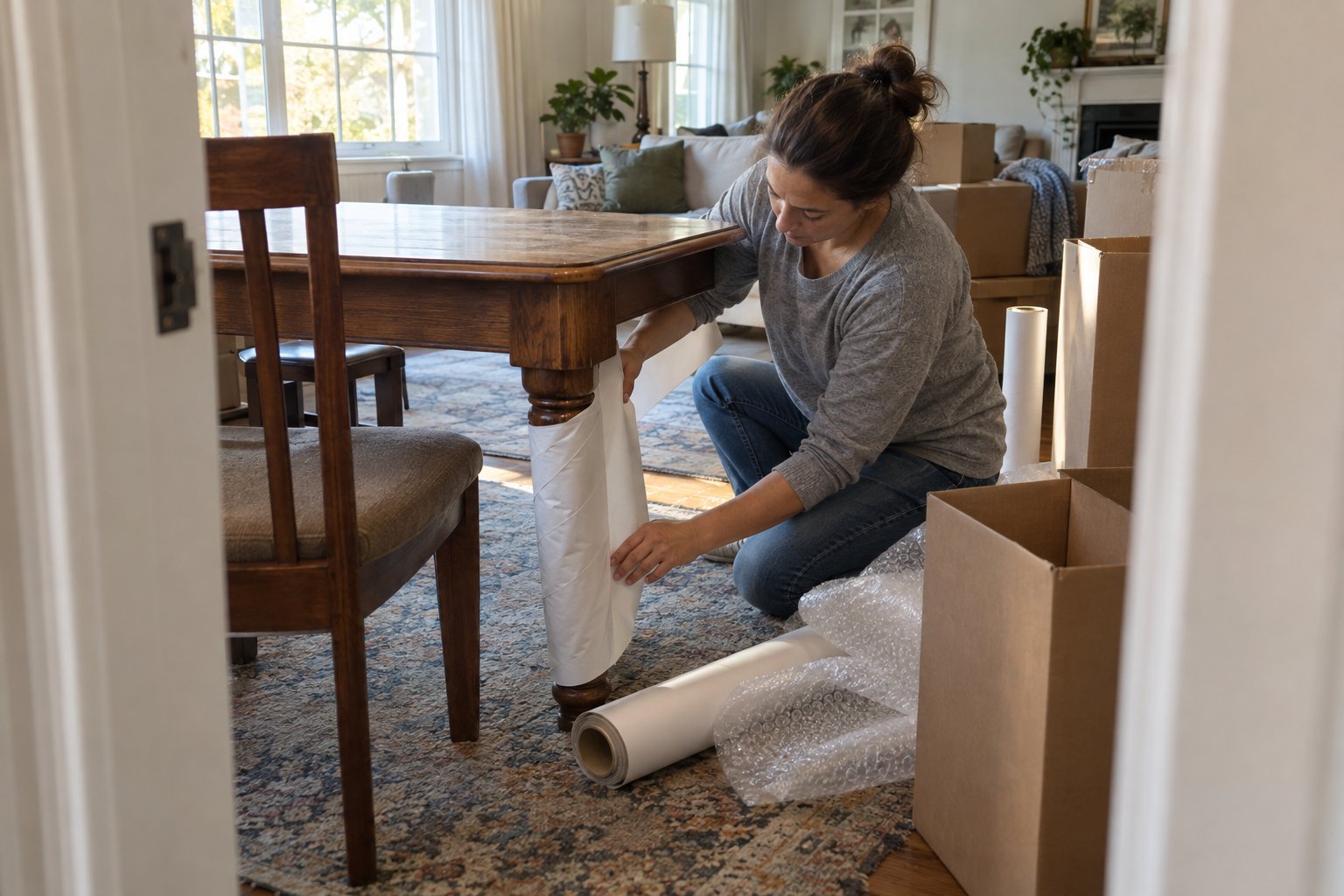
Pkwy Moving & Storage's professional packing services cover general household items like boxes, furniture, and breakables, choosing the right box size and padding for what's being packed. If a keyboard is one piece of a larger household move, decide ahead of time whether you'll pack it yourself using the steps above or box it alongside the rest of your belongings, which is worth factoring into your moving day timeline.
Before moving day, take a photo of any existing scuffs or scratches so you have a reference point, and back up any saved settings or custom patches to a computer or external drive if your model supports it. After the move, let the keyboard adjust to room temperature for an hour or two before plugging it in, then test every key, including the ones in the middle of the board that get the least attention during a quick check.
If anything feels different, a key sticking, a note sounding dull, or a loose piece inside the case, it's easier to address right after unpacking than months later when you've forgotten the trip it took.
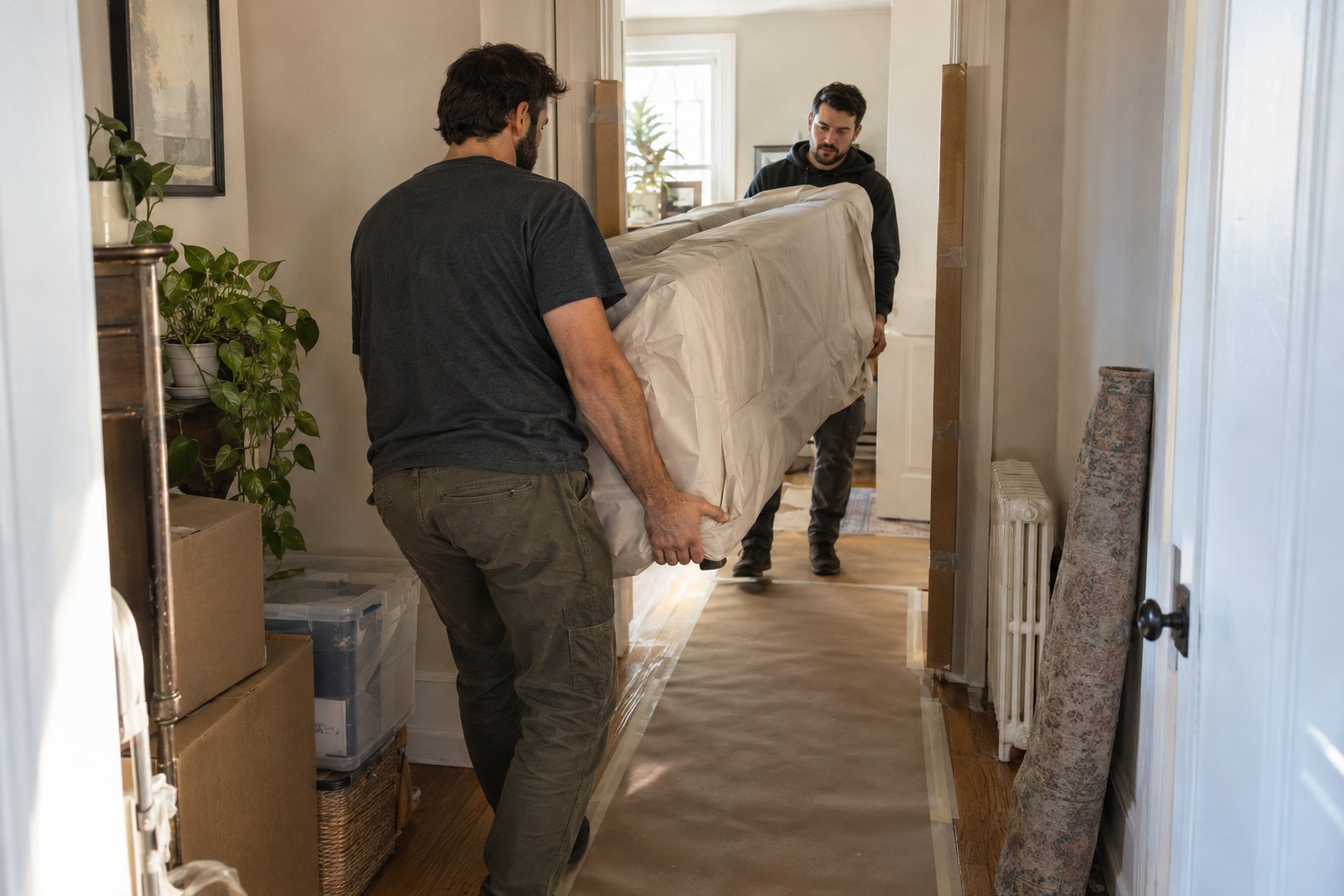
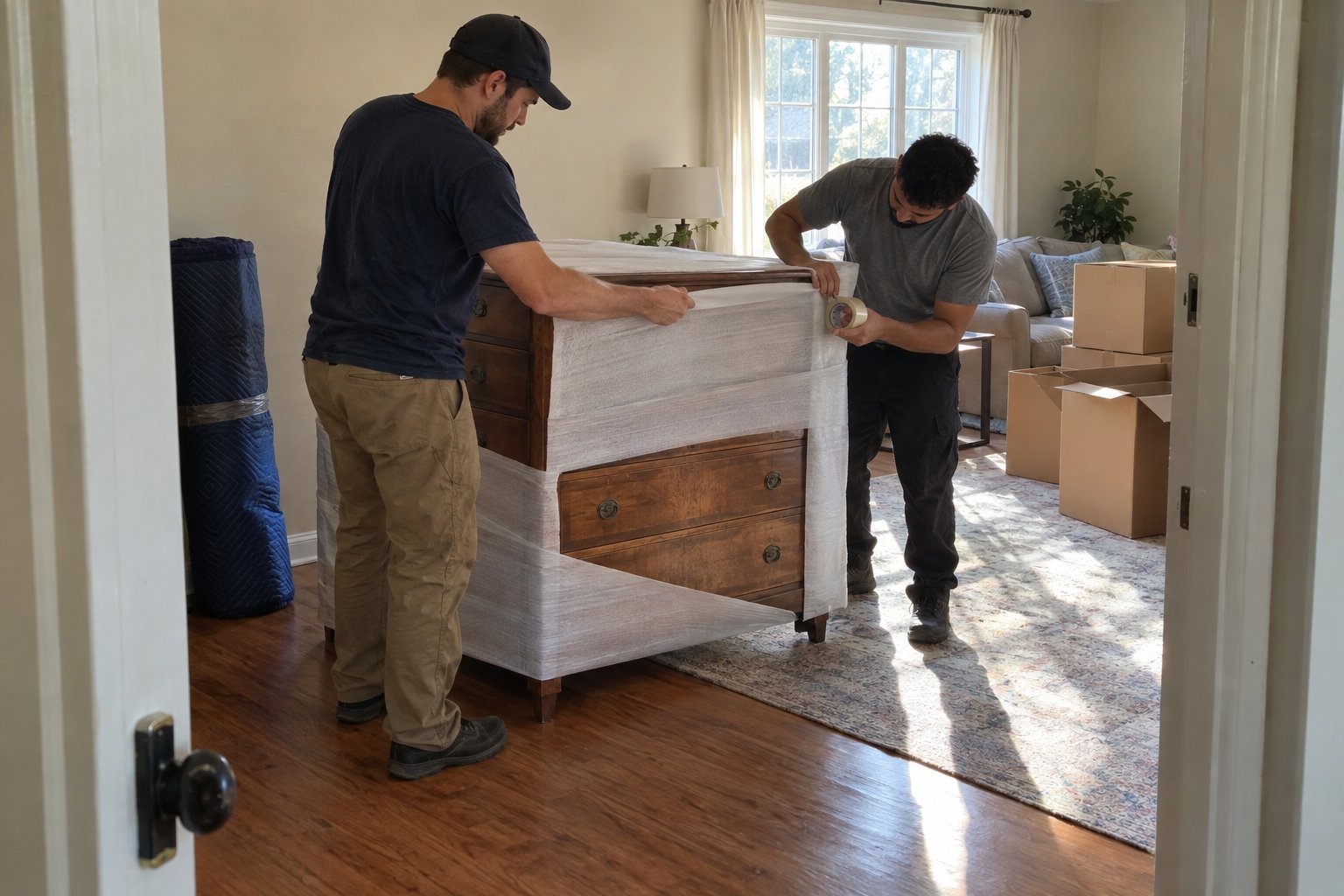
A keyboard rarely travels alone. If it's part of a full household relocation from the area, including moves to or from Frisco, TX or McKinney, TX, it's worth preparing the rest of your furniture the same way you prepare the keyboard: solid outer protection, padding at the weak points, and a fixed spot in the truck so nothing shifts in transit. For general guidance on getting furniture ready for a longer trip, see the overview of long-distance moving before the crew arrives.
A keyboard piano survives a move the same way most fragile, awkward items do: solid outer protection, padding at the weak points, a stable position in the vehicle, and a little patience with temperature before it's switched back on. Treat the keybed as the part worth protecting, not just the outer shell, and the rest of the packing follows naturally.
Planning your move? Request a quote from Pkwy Moving & Storage.
Yes, as long as it rests on a structural end panel rather than the front edge or the keys themselves. Either flat or upright is fine if the weight sits on a solid part of the case.
If the keyboard sits on a separate X-stand or Z-stand, fold and pack the stand separately rather than leaving the keyboard balanced on it during transport.
A short trip of a few hours generally isn't a concern, but an overnight stay in a freezing or very hot vehicle on a longer move is worth avoiding if you have the option to keep it climate-controlled.
Let them know it's fragile, which side holds the keybed, and whether it has its original case, so it gets loaded last and positioned where nothing will be stacked on it.
It's generally fine, but removing batteries for a longer trip prevents any chance of corrosion or drain affecting the unit if it sits unused for several days.
Moving in Celina or the DFW area? PKWY Moving & Storage handles local, residential, commercial, and long-distance moves. Get your free quote today.