
Written by:
Pkwy Moving & Storage Team
Published:
November 4, 2026
DIY moving or hiring movers? Compare time, effort, risk, and fit so you can decide which approach makes sense for your next move.
DIY moving makes sense when you have a small load, flexible helpers, and no heavy lifting restrictions. Hiring movers makes more sense when your timeline is tight, your home has stairs or large furniture, or you simply don't have reliable people to help on moving day. The right call depends less on how big your home is and more on how much time, physical effort, and risk you're willing to take on yourself.
A DIY move means you rent the truck, round up help, and handle every box and piece of furniture yourself. Hiring movers means a trained crew handles the loading, carrying, and unloading, often alongside other services like packing or furniture protection. The difference isn't just who carries the couch. It's who absorbs the planning, the physical strain, and the risk if something goes wrong.
Renting a truck and moving yourself puts you in charge of every decision: what time you start, how the truck gets loaded, and how long the whole thing takes. Hiring movers hands that planning to people who do it for a living, which usually means a more predictable day, but less control over the small details.
A DIY move with a couple of helpers typically runs longer than a professional move of the same size, mostly because you're learning the logistics as you go instead of repeating a process you already know. As a rough rule of thumb, plan on a full day for loading and another full day for unloading if you're doing it yourself with a small crew of friends or family, versus a single day for both when an experienced crew handles it.
That time difference adds up fast if you're also working a job, coordinating a closing date, or trying to get kids settled into a new school. A long-distance move stretches this gap even further, since driving a rental truck for multiple days adds fatigue on top of the loading and unloading.
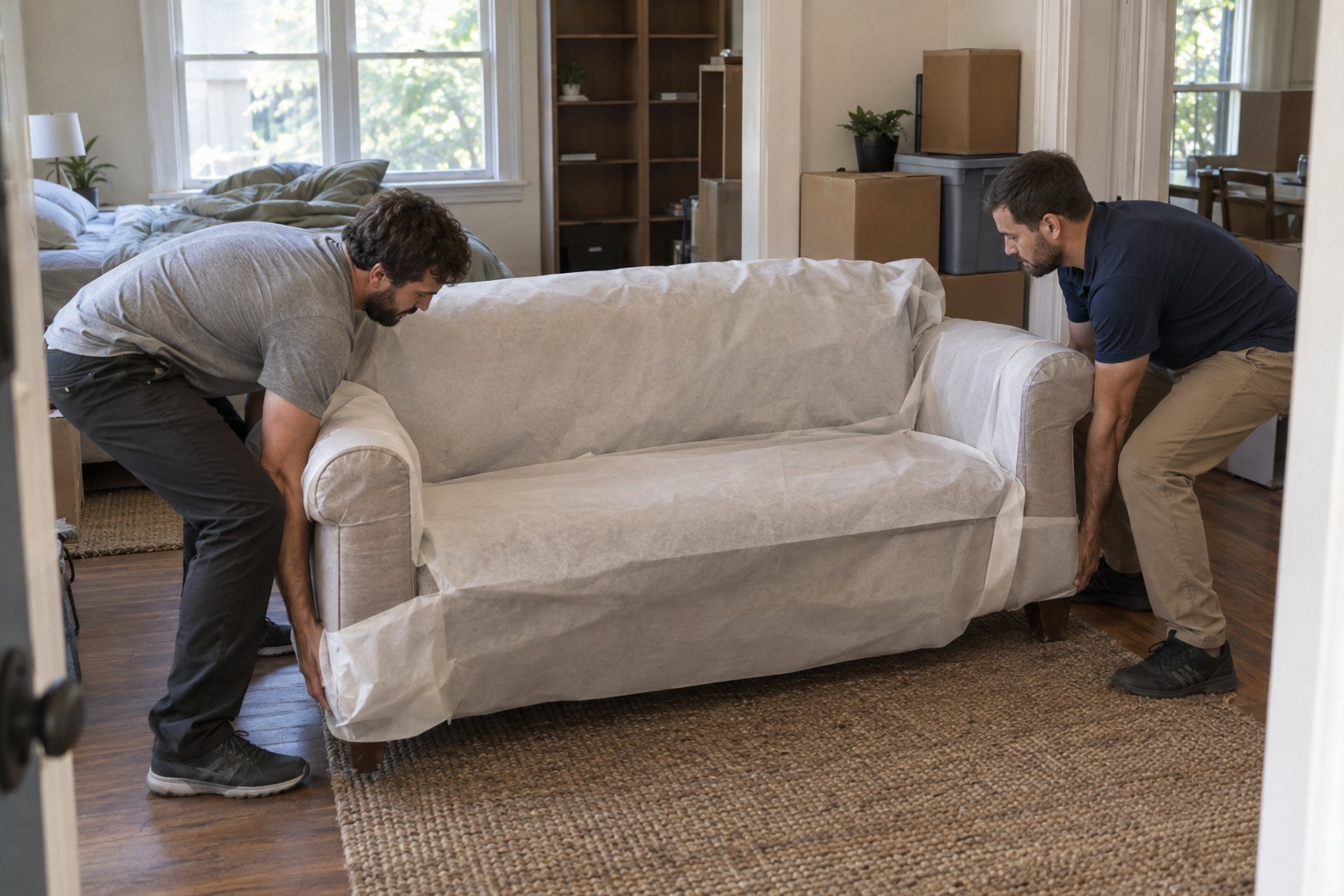
DIY moving carries more physical risk, mainly because the people lifting heavy furniture usually don't do it often and don't always use safe lifting form. Strained backs, pinched fingers, and dropped boxes are common, and they tend to happen late in the day when everyone is tired. The Occupational Safety and Health Administration (OSHA) publishes general guidance on safe lifting and ergonomics that's worth a look if you're planning to move heavy items yourself.
Hiring movers shifts that physical risk to a crew trained in body mechanics and equipment made for the job, like dollies and straps. It doesn't eliminate the chance of damage or injury entirely, but it meaningfully reduces how often it happens, since the people doing the lifting do it daily instead of once a year.
DIY moving suits smaller moves: studio or one-bedroom apartments, moves within the same building, or situations where you have very little furniture. It also suits movers with a flexible schedule, a group of able-bodied helpers, and no stairs or tight hallways to navigate. If your biggest concern is cost control and you're comfortable doing the physical work, this path can work well.
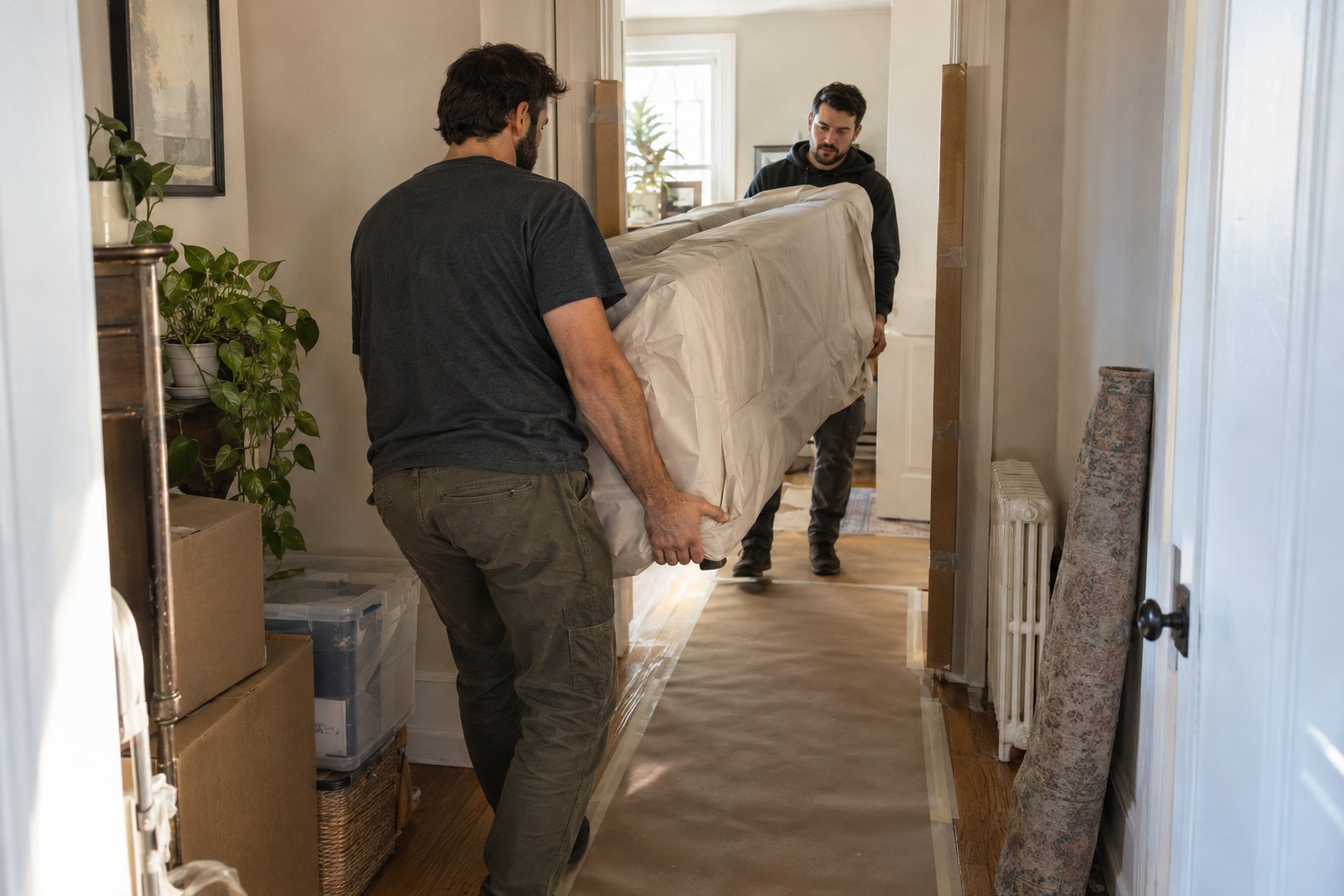
It suits people less well when there's a hard deadline, like a lease ending on a specific day, or when the home involves narrow staircases, elevators with reserved time slots, or furniture too heavy for a couple of people to carry safely.
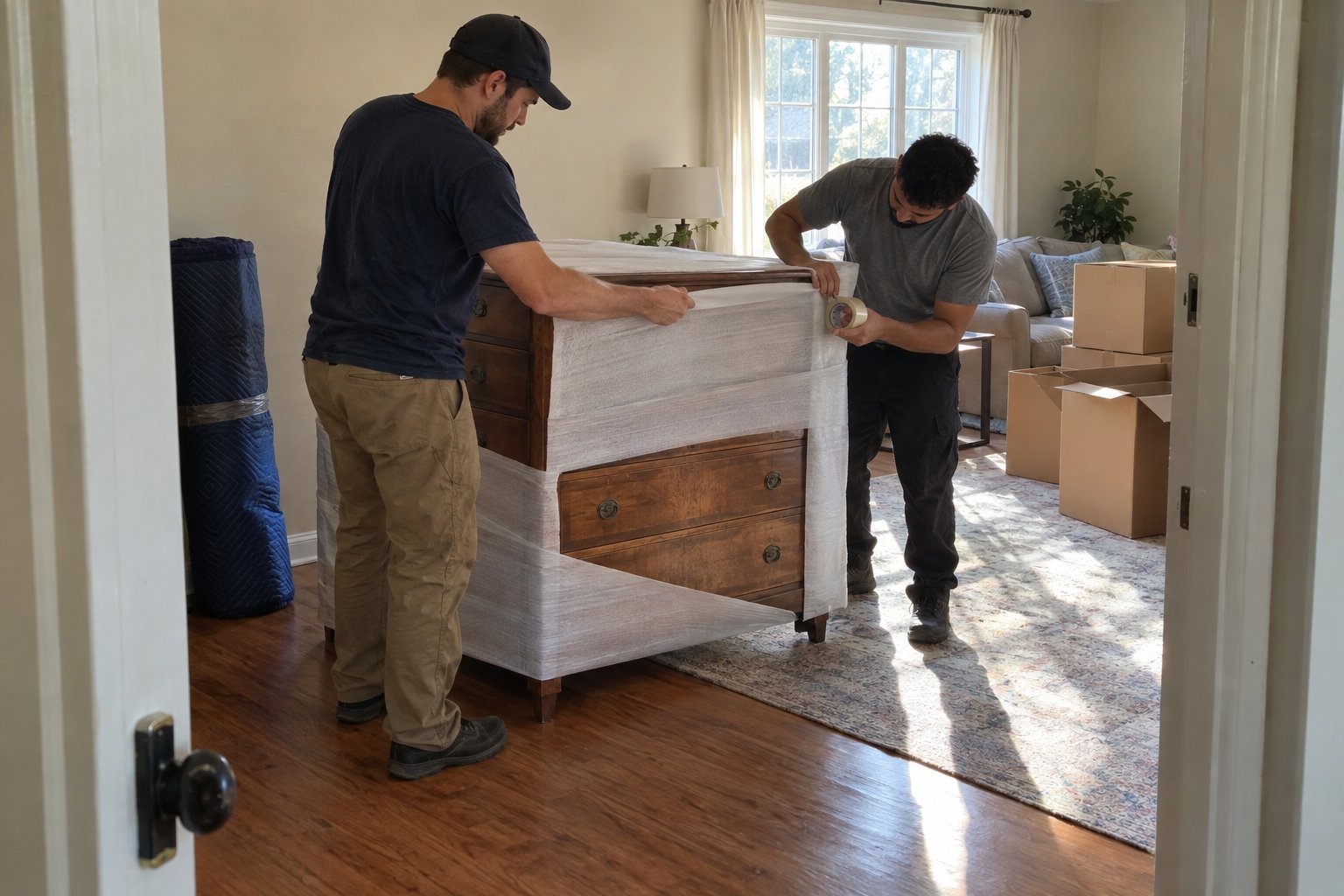
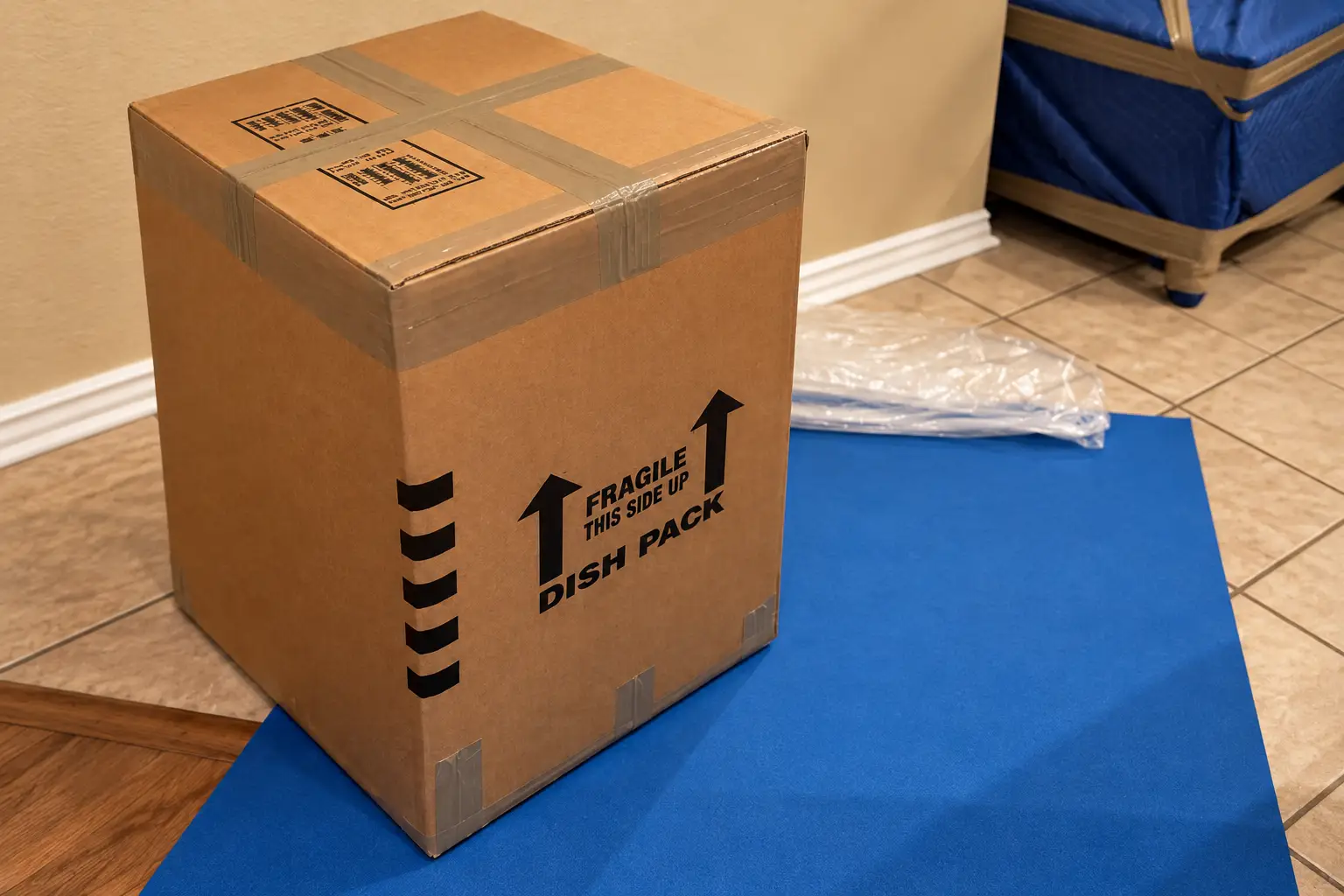
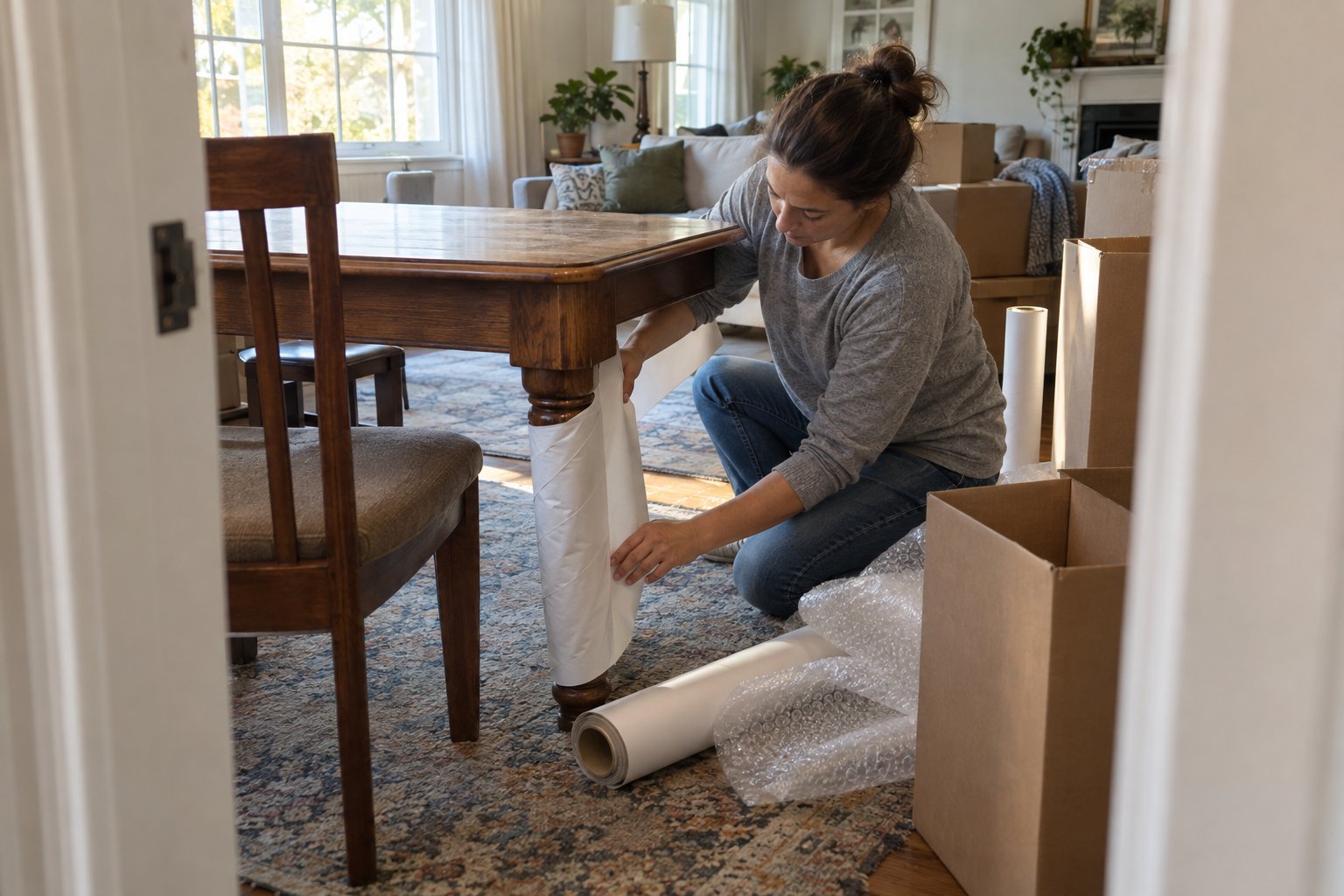
Hiring movers benefits anyone moving a full household, anyone with a tight closing or lease date, and anyone who can't rely on friends or family to show up and lift for a full day. It also makes sense if you have furniture you'd rather not risk scratching or breaking, since a crew that moves furniture for a living knows how to pad, wrap, and carry pieces that are awkward or heavy.
If you're moving within the Dallas-Fort Worth area, a local crew familiar with apartment complexes, elevators, and loading dock rules can also shave real time off the day simply by knowing what to expect before the truck arrives. For the specifics of what a residential move includes, the residential moving services page lays out what's covered from loading to placement in your new home.
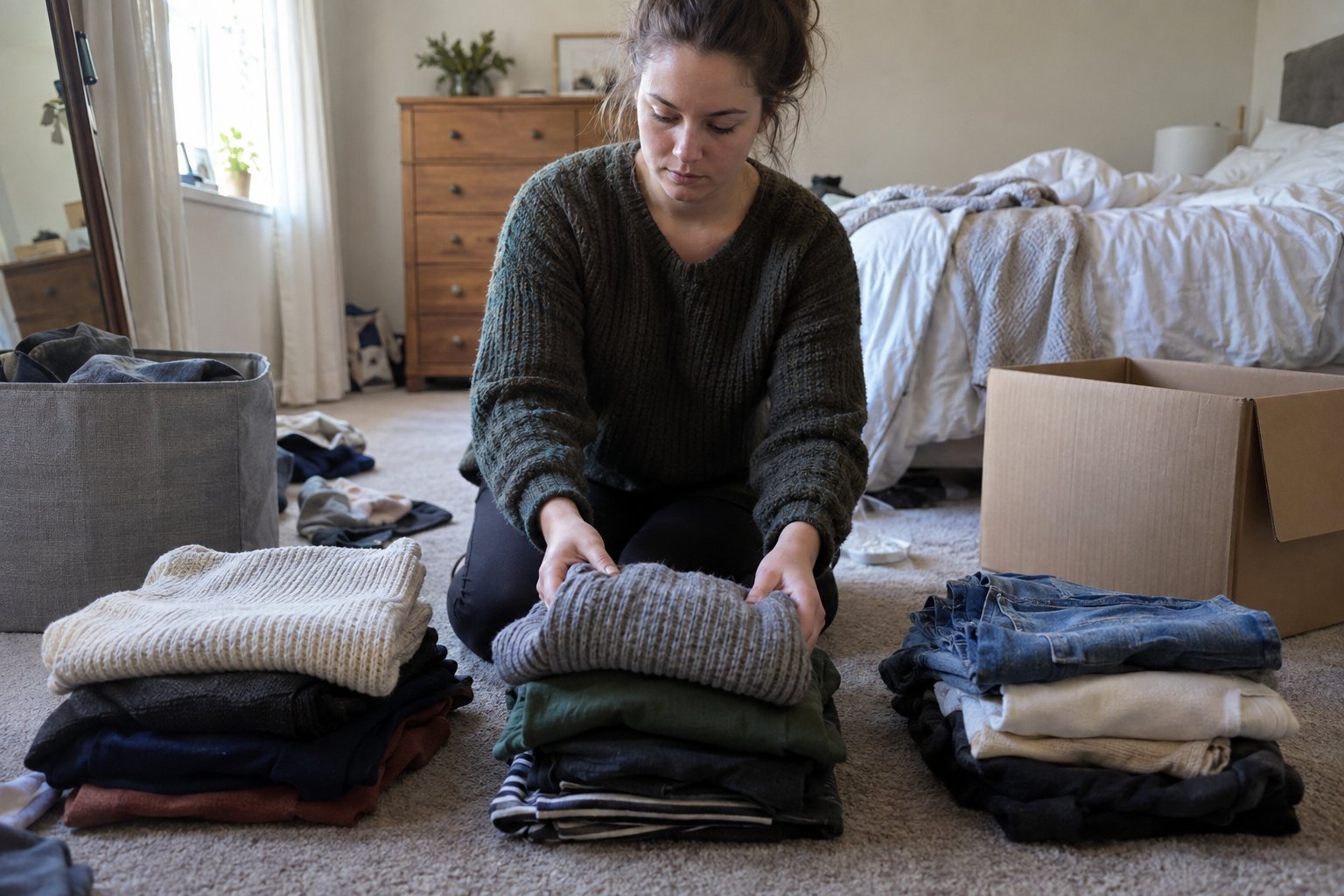
Plenty of people land in the middle: they pack their own boxes to control that part of the process, then hire a crew for the heavy lifting and truck logistics. This hybrid approach can work well if you want to save physical effort on the parts that carry the most injury risk (furniture and appliances) while handling the lower-risk packing work yourself. If packing is the part you'd rather hand off instead, professional packing services cover that piece without requiring a full-service move.
Before deciding, walk through your home and count anything that's heavy, awkward, or fragile: a sofa, a mattress set, a large television, an appliance. Each one of those items raises the physical demand and the risk of damage if it's handled by people without the right equipment or technique. Also check your actual calendar: if you have one day available and a full household to move, that's a strong signal toward hiring help rather than hoping a DIY timeline holds.
It's also worth getting a written quote even if you're leaning DIY, just so you have a real comparison in front of you instead of guessing. You can get a moving quote and weigh it against what a rental truck, moving day, and a day of recovery would actually cost you in time and effort.
For a small, simple move with flexible help and no heavy furniture, DIY is a reasonable choice. For anything bigger, time-constrained, or physically demanding, hiring movers reduces both the time commitment and the physical risk, usually by a wide enough margin to be worth it for most households. If you're still weighing the decision, it can help to look at what else goes into the moving day itself, including how a crew approaches loading a truck so nothing shifts or breaks, since that's one of the biggest differences between a rushed DIY load and a planned professional one.
Planning your move? Request a quote from Pkwy Moving & Storage.
For most one or two bedroom homes, plan on at least three to four able-bodied helpers so no single person is stuck carrying heavy furniture alone. Larger homes or anything with stairs usually need more hands to keep the day moving without exhausting everyone early.
Tell the crew about any stairs, narrow hallways, elevator reservations, or oversized furniture ahead of time. Knowing this in advance lets them bring the right equipment and plan the loading order instead of figuring it out on the spot.
Yes, it's a common middle ground. Packing boxes yourself ahead of time and hiring a crew for the loading, carrying, and transport lets you control part of the process while handing off the most physically demanding work.
Aim to decide at least a few weeks before your move date, especially during busier moving seasons like summer when crews and truck rentals both get booked up. Deciding early also gives you time to pack gradually instead of rushing.
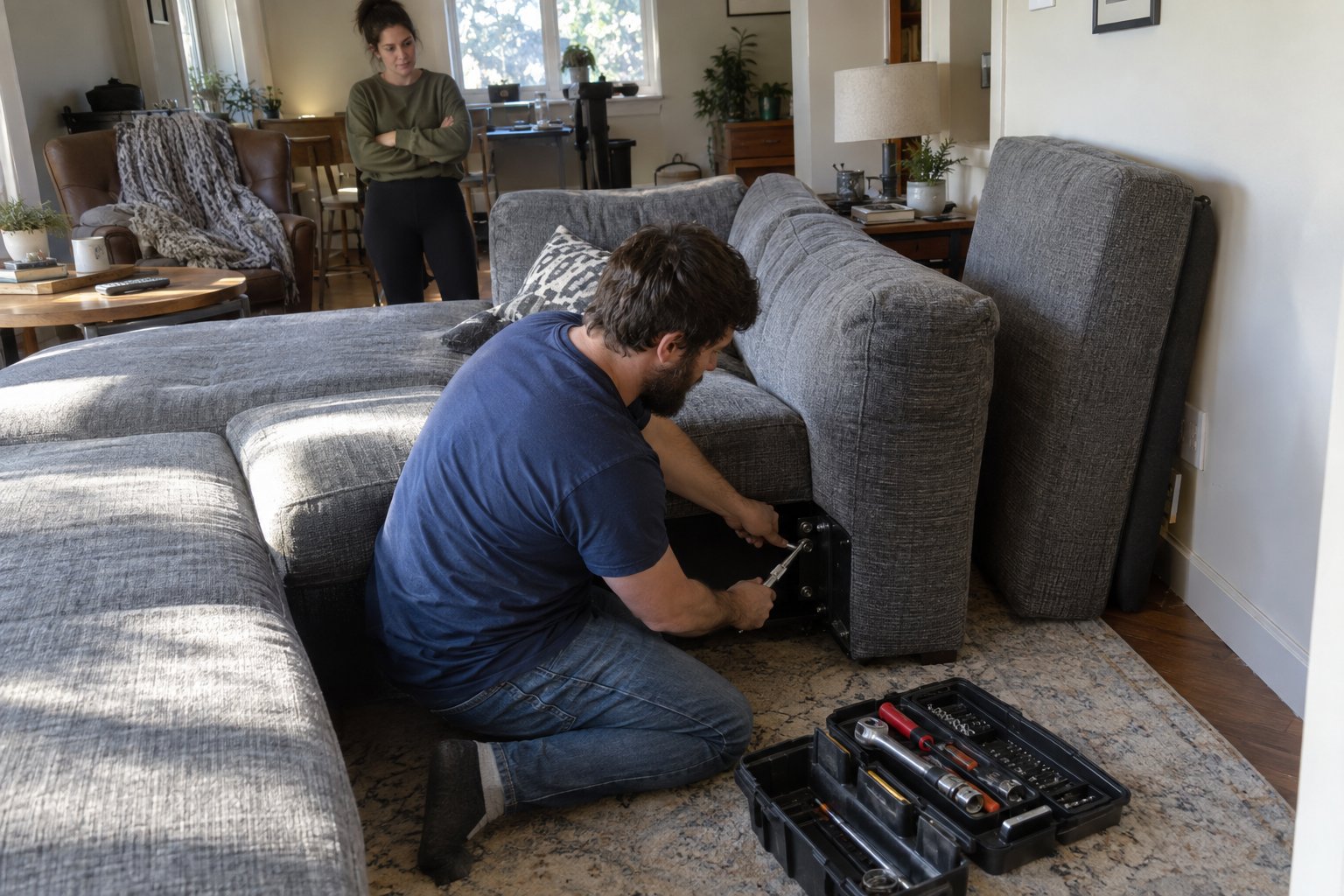
Disassemble what you can, like bed frames and table legs, so pieces are lighter and easier to carry through doorways. Use proper lifting form, bending at the knees rather than the back, and don't hesitate to ask for an extra set of hands on anything heavy or awkwardly shaped.
Moving in Celina or the DFW area? PKWY Moving & Storage handles local, residential, commercial, and long-distance moves. Get your free quote today.